
How to Find Where Rats Are Entering Your House
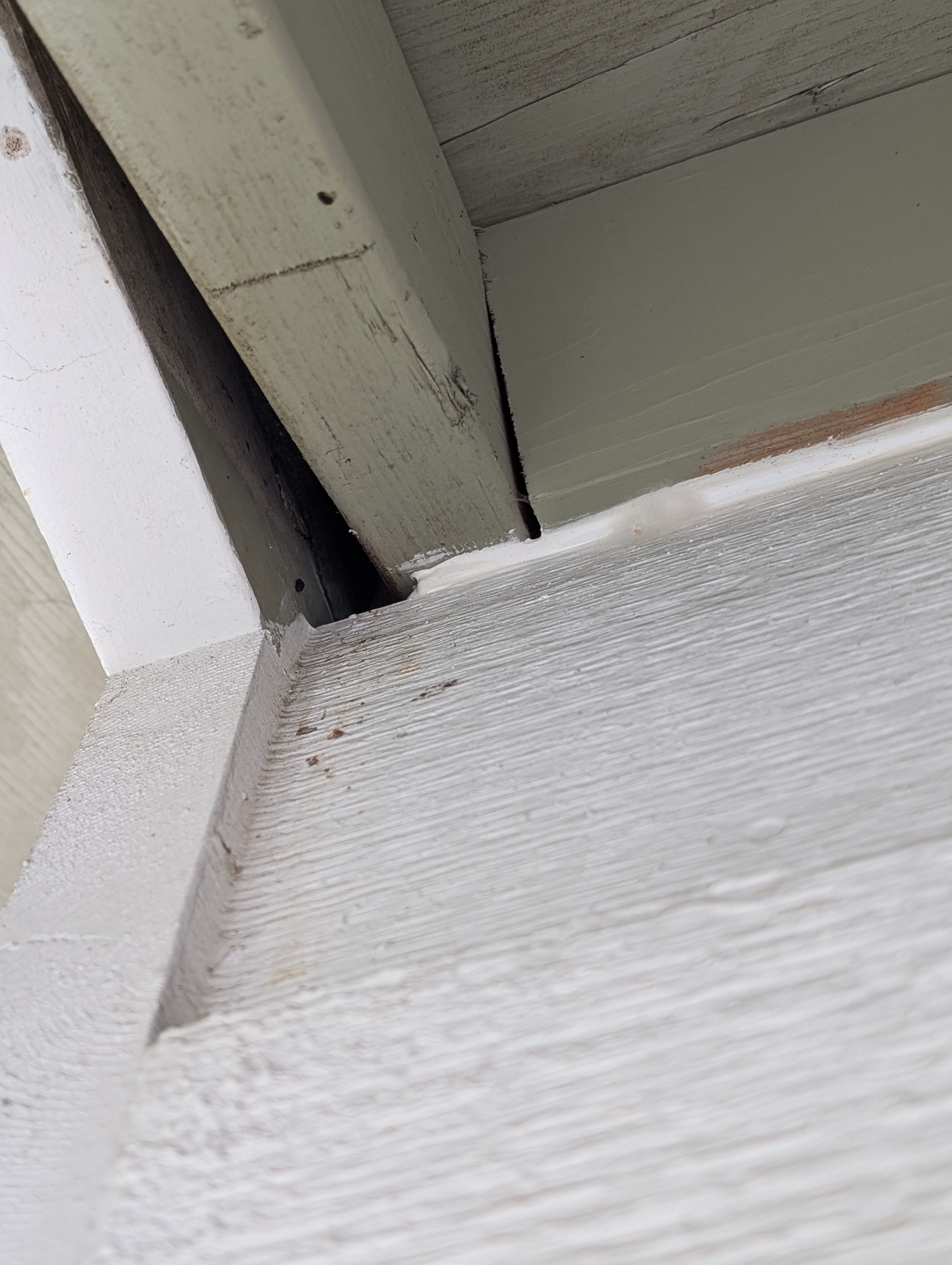
Rats get into houses through small openings low and high on the building: crawlspace vents, gaps around pipes, garage door corners, foundation and siding joints, rooflines and attic vents. The way to find the one they are using is to look for signs of activity near those openings, not just the openings themselves.
Here is a walk-around checklist you can use on your own home, and what to look for at each spot.
Need help now? See our rat and mouse control service. In Bellingham, explore rat and mouse removal.
Seven places to check
1. Crawlspace vents and screens
Look for torn, rusted, pushed-in or missing screens. This is one of the most common rodent entry points we see in Whatcom County homes.
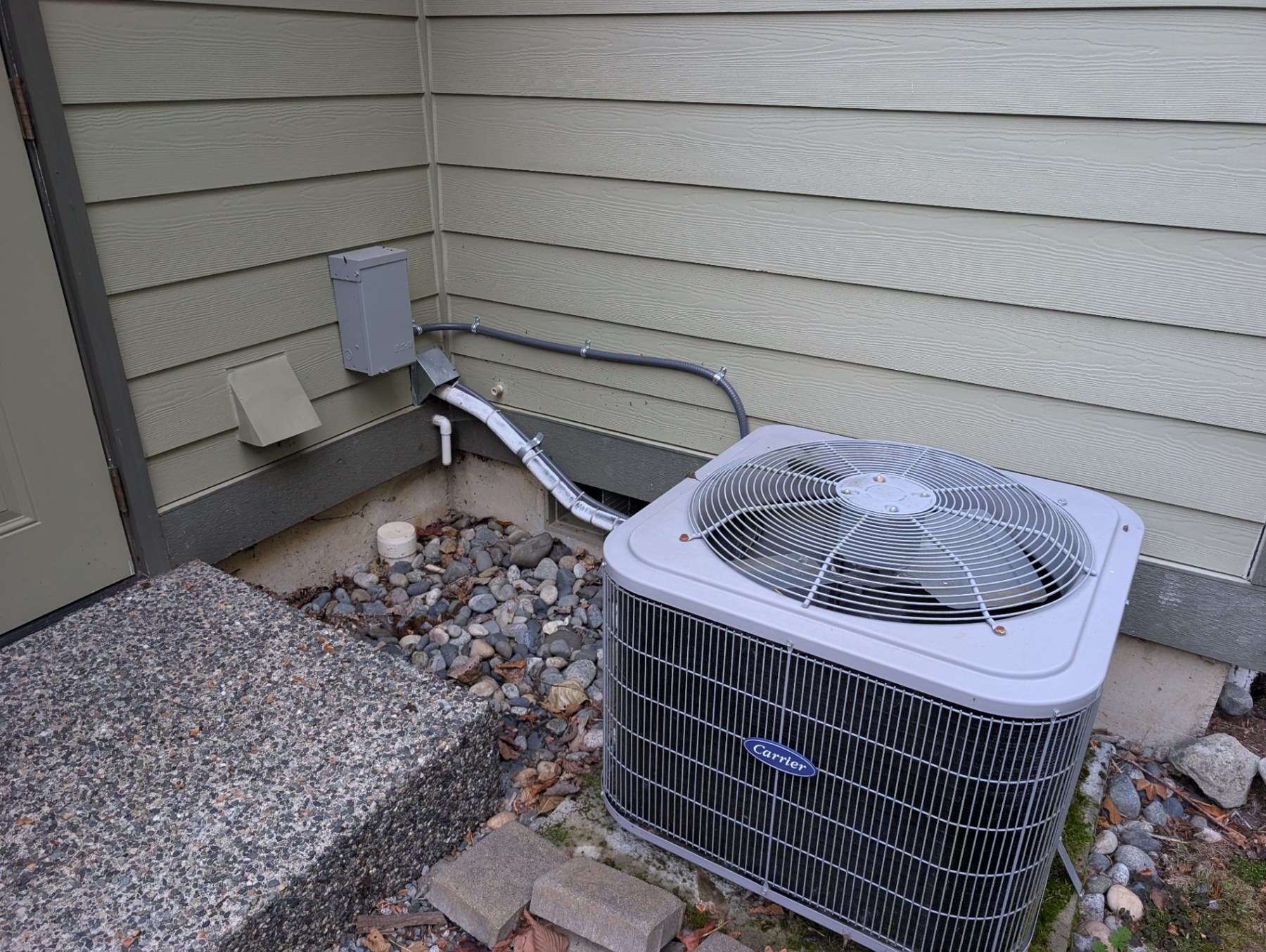
2. Openings around plumbing and utility lines
Check where water, gas, electrical, cable and AC lines enter the house. Gaps around them are easy to overlook.
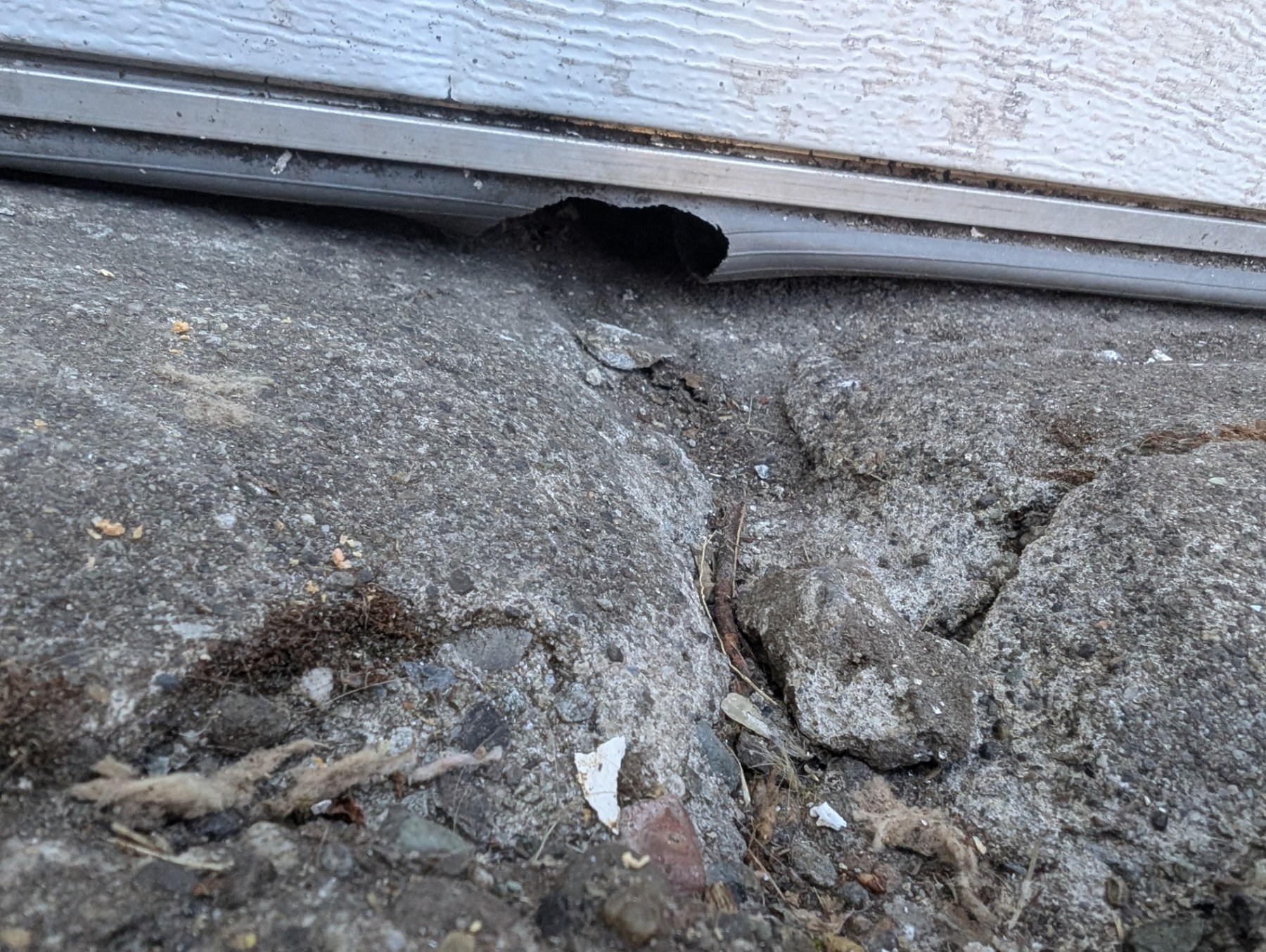
3. Garage door corners and gaps
Worn weather stripping and gaps at the bottom corners of garage doors are an easy way in, especially for mice.
4. Foundation and siding transitions
Where siding meets the foundation, small gaps and damaged trim can open up over time.
5. Rooflines, soffits and attic vents
Roof rats climb. Check roof junctions, soffit gaps and gable or roof vents for damage.
6. Crawlspace access doors
A hatch that does not close tightly, or a warped wooden door, can let rodents straight under the house.
7. Exterior exhaust and ventilation openings
Dryer vents, bath fan and kitchen exhaust caps sometimes lose their flaps or screens.
For a closer look, read our guide to how rats get into crawlspaces.
A worn garage door seal is worth a closer look
Check the bottom seal with the garage door closed, especially where it meets uneven concrete and at both corners. Split or missing rubber can leave a route into the garage. A gap is a potential entry point; nearby droppings, rub marks or camera activity help establish whether rodents are using it.
What signs to look for
- Droppings near an opening or along a wall
- Dark grease or rub marks around holes and along travel routes
- Chewed wood, siding, screening or wiring
- Tracks in dust or soil and disturbed insulation
- Damaged or pushed-in screening
- Repeated activity in one particular area
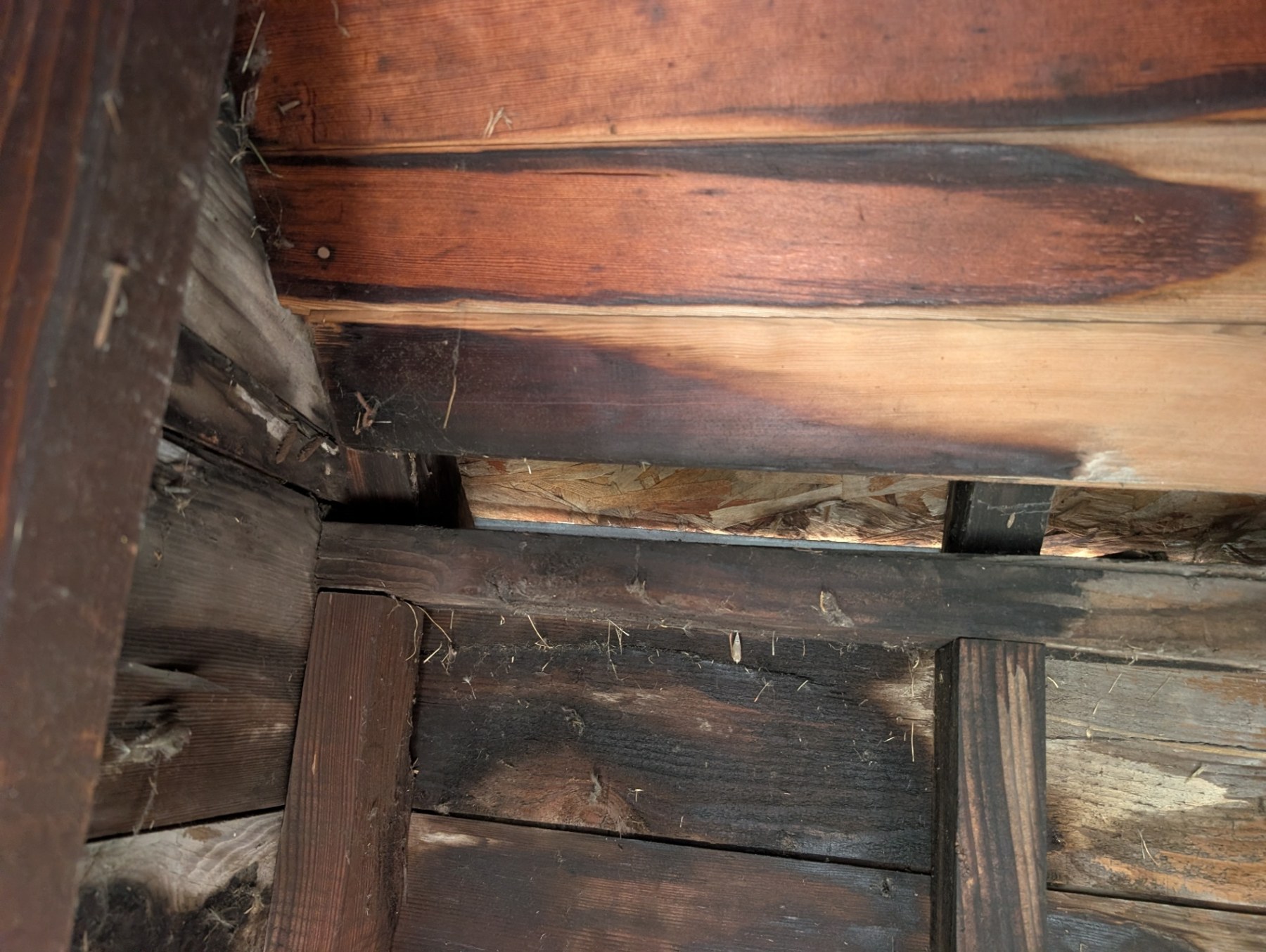
A hole is not always the entry point
Finding a gap does not prove rats are using it. Some openings are old and unused, and some active routes are hidden behind decks, stairs or vegetation. A proper inspection looks at evidence of activity and how the building is put together, including where crawlspace, walls and attic connect.
If you seal the obvious hole and the noises continue, there is usually another way in.
Rats or mice?
Rat droppings are larger, roughly the size of a raisin or bigger, and rats need about a quarter-sized hole. Mouse droppings are small, like grains of rice, and mice can use a dime-sized gap. Knowing which one you have changes how small the openings are that need sealing.
See it on a real job
- Two doors, two problems: the crawl space vents that let everybody in · North Bellingham
- Rats along the green belt: a Cordata crawlspace inspection · Cordata, Bellingham
Frequently asked questions
How small a hole can a rat get through?
About the size of a quarter. A mouse can get through an opening about the size of a dime.
What should I use to seal a rat hole?
Rats chew through foam, wood and plastic. Durable materials such as heavy hardware cloth, sheet metal and appropriate sealants hold up much better. The right material depends on the opening and the surface around it.
Should I seal holes before removing the rats?
Usually not. Sealing rodents inside can push them deeper into the house. Removal and sealing should be planned together.
Can you inspect my house to find the entry points?
Yes. That is the starting point for every rodent job we do in Bellingham and around Whatcom County.
Related guides
View all pest & rodent guides →Finding signs of rats or mice?
G Green Inc. provides professional rodent inspections, removal and exclusion throughout Bellingham and Whatcom County. Call (360) 389-3599 to talk through the problem and schedule an inspection, or learn more about our rodent control service.