
What Does Professional Rodent Exclusion Actually Involve?
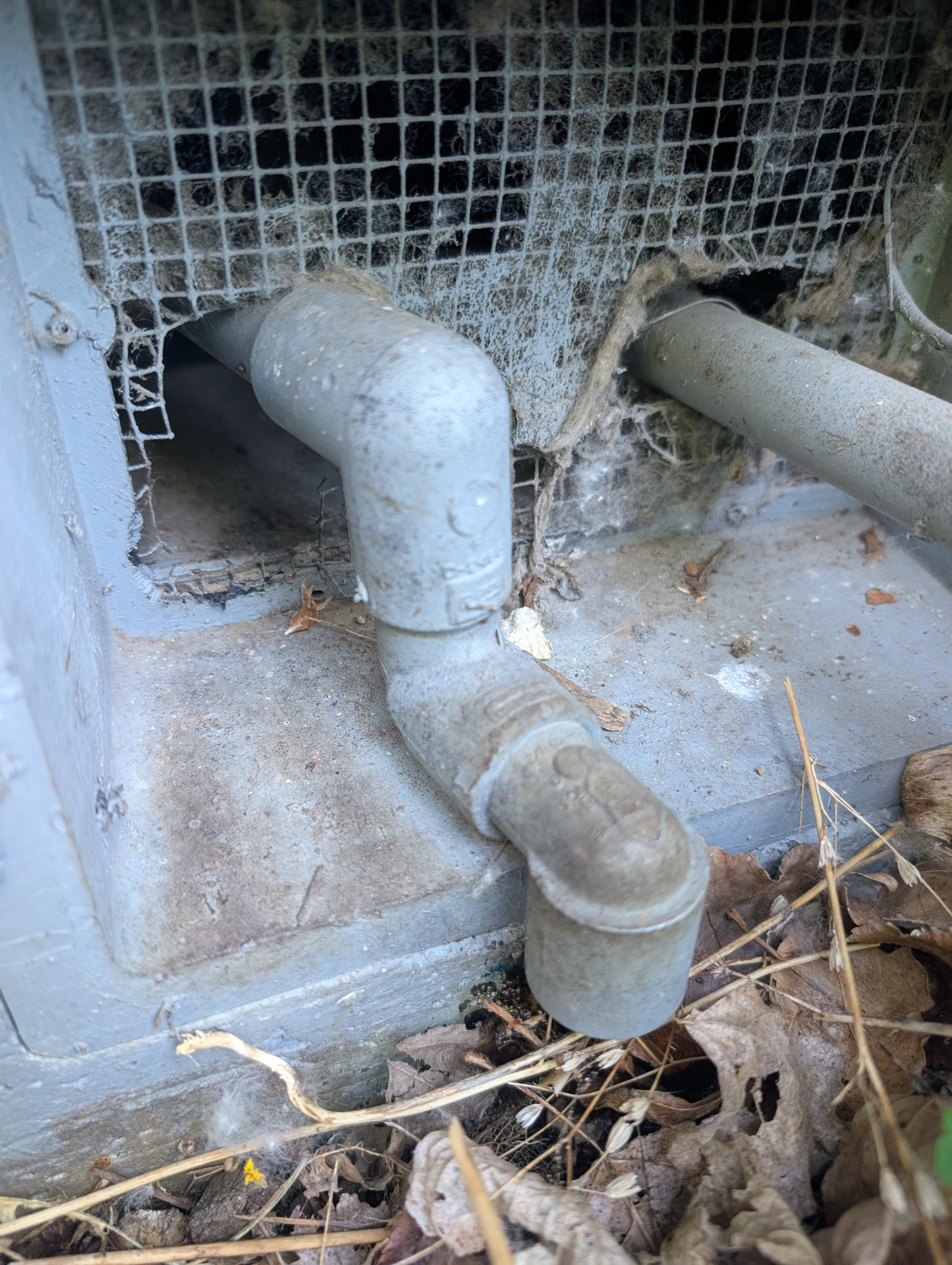
Rodent exclusion means finding the openings rats and mice use to get into a building and sealing them with durable, rodent-resistant materials, while making sure the rodents already inside are dealt with. Done properly, it involves inspection, choosing the right materials for each opening, coordinating with trapping, and follow-up.
It is more than stuffing something in the one hole you can see. Here is what the process actually looks like.
Need help now? See our rat and mouse control service. In Bellingham, explore ongoing rodent control.
1. Exterior inspection
We walk the outside of the building looking at the foundation, crawlspace vents, utility penetrations, siding transitions, garage doors and the roofline. We note openings and, more importantly, signs that they are being used.
For a closer look, read our guide to recognizing rat entry points.
2. Crawlspace and attic inspection
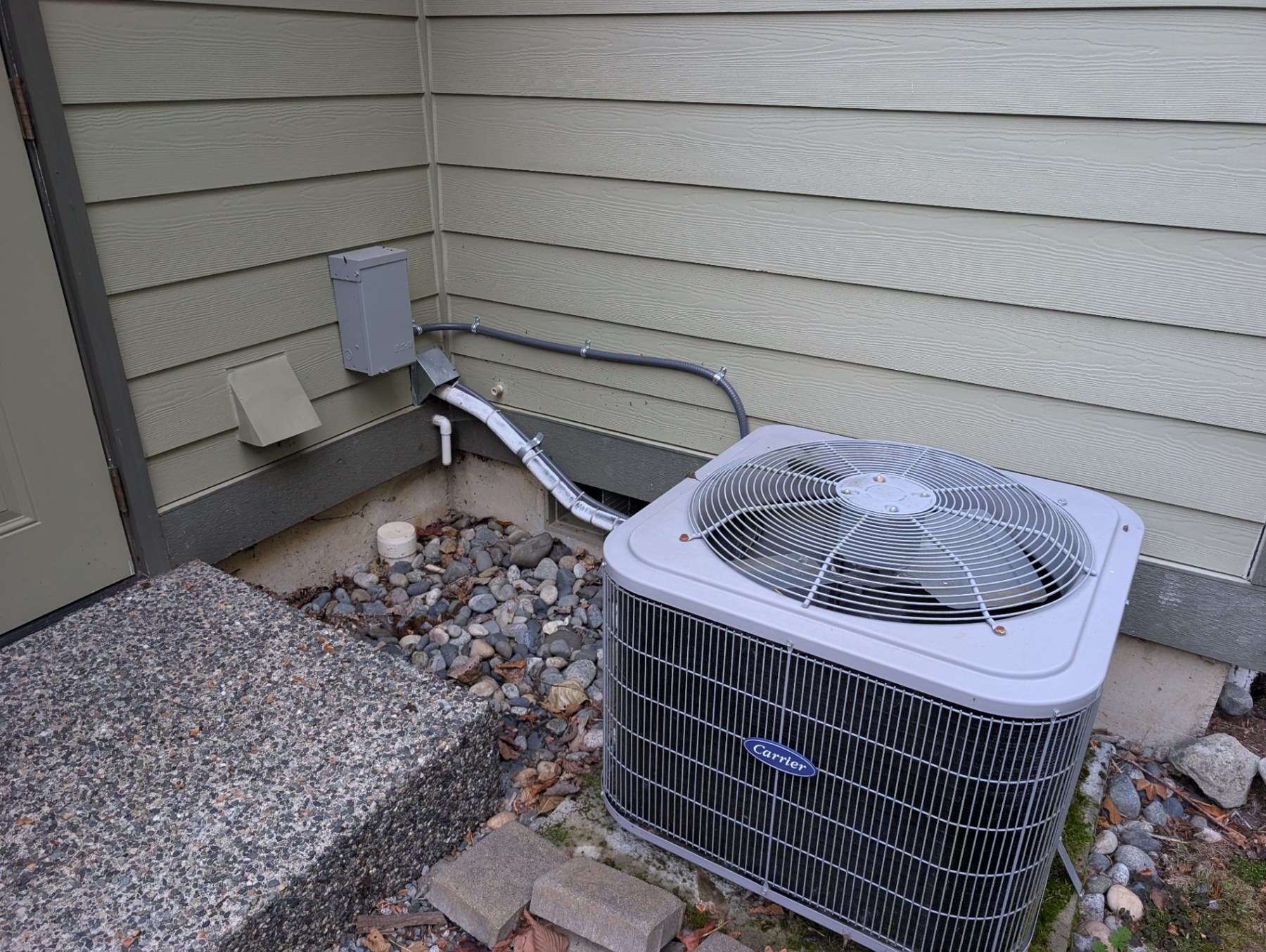
Where it makes sense, we go inside the crawlspace and attic to find runways, droppings, nesting and damage. This often shows which exterior openings are active and how rodents are moving through the house.
3. Confirmed and potential entry points
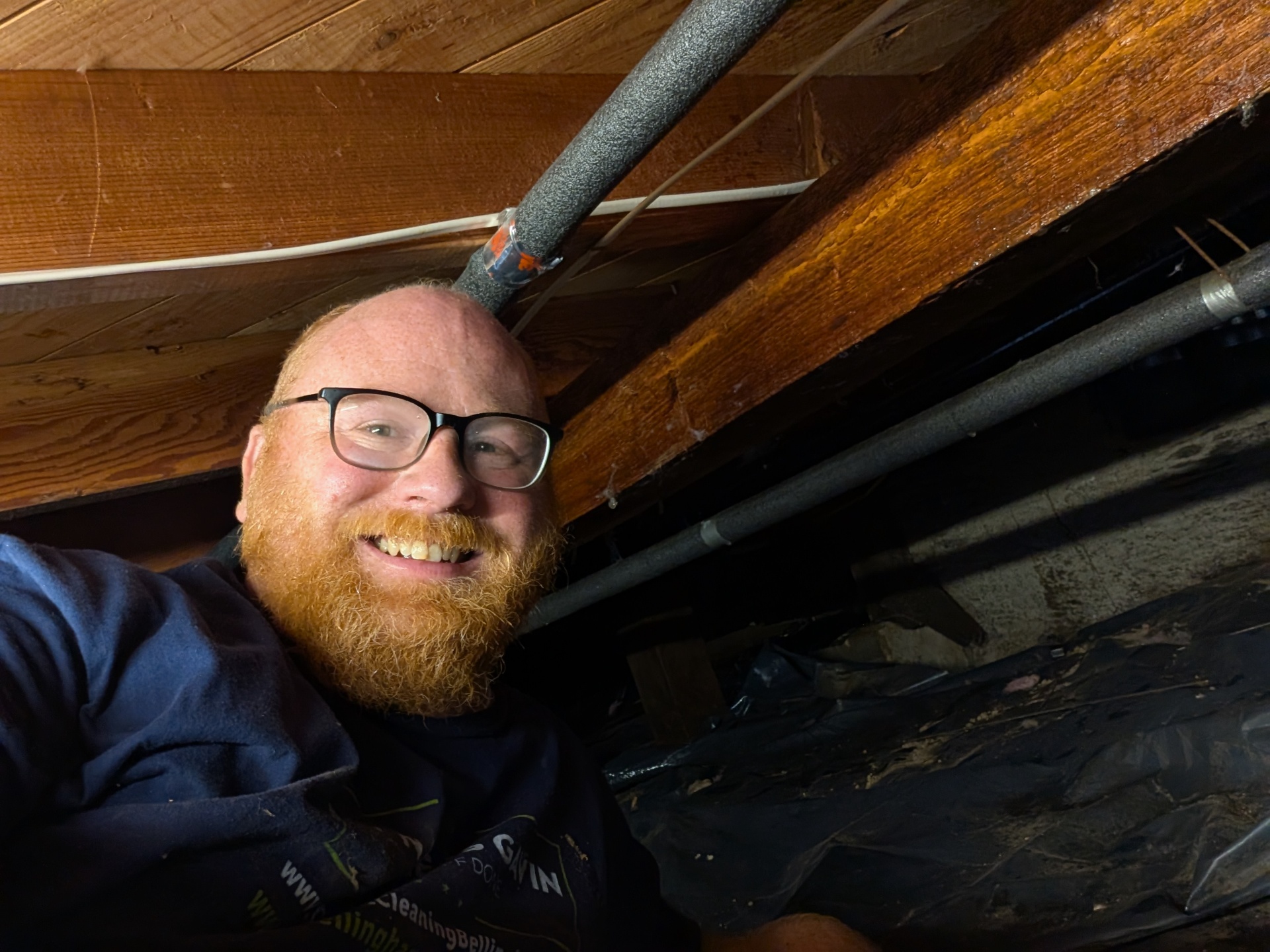
Some openings show clear activity. Others are not in use yet but are big enough to become a problem. A good exclusion plan covers both, with priority on the active routes.
4. Matching materials to the building
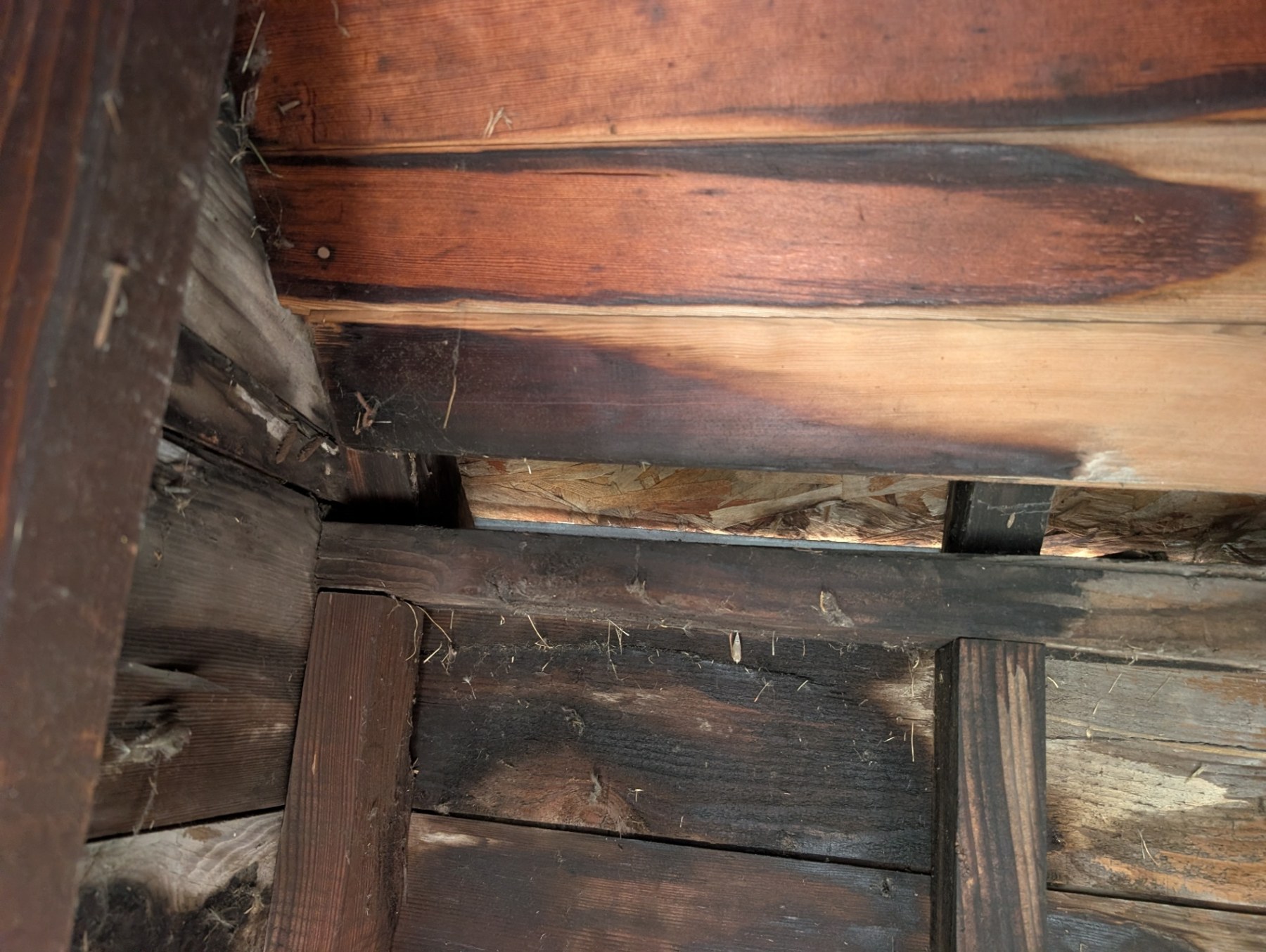
Every opening is different. A crawlspace vent needs heavy screening that still lets air through. A gap around a pipe may need metal and sealant. A roofline gap may need flashing or screening that blends with the house. The repair has to account for the size of the opening, the surrounding materials and the animal involved.
Foam and caulk alone usually fail because rodents chew through them.
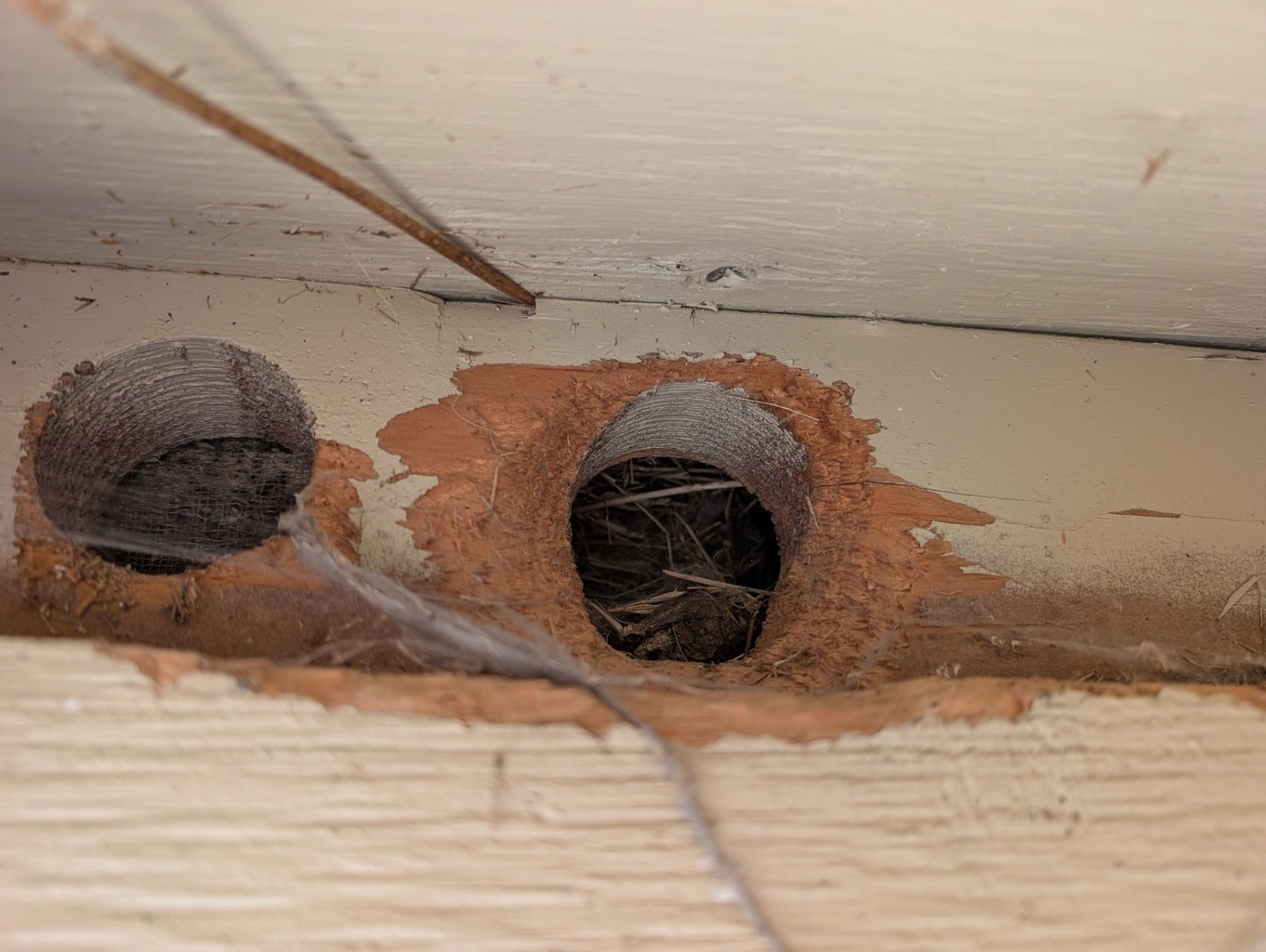
The damaged vent shown below illustrates an opening that needs repair, not completed exclusion work. Replacement screening must be securely fastened without blocking required airflow.
5. Handling the rodents already inside
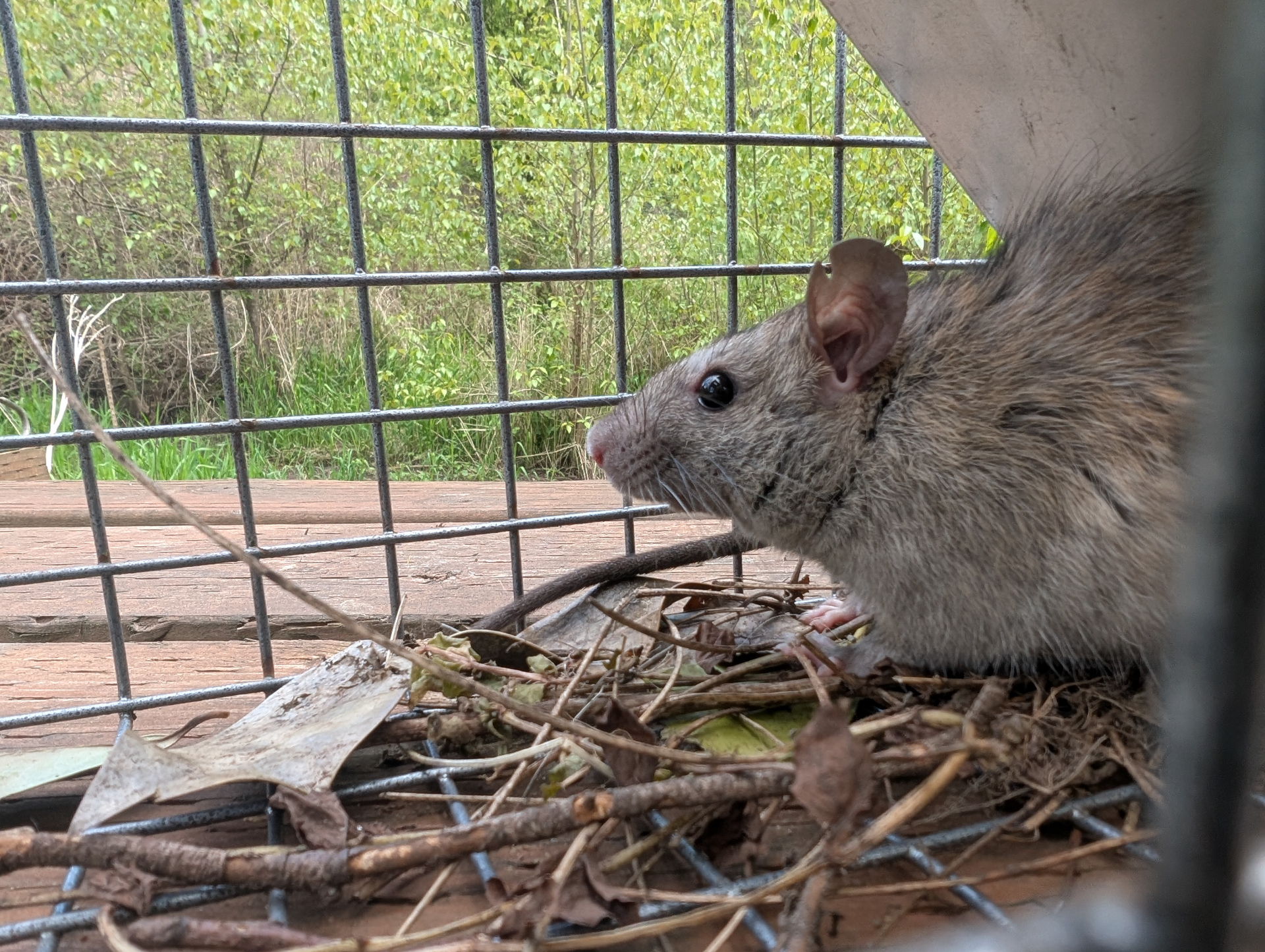
Sealing a building with rodents still inside can trap them in walls or push them further into the house. Trapping and exclusion are timed together so active rodents are removed before the last openings are closed.
6. Monitoring and follow-up
After the work, we check traps and activity to make sure the job held. If new signs show up, we look for what was missed or what has changed. Camera monitoring can help identify the animals using a route; it is not, by itself, proof that a repair is complete.
7. Explaining what was done
You should know what was repaired, what materials were used and what may still need attention, like trimming branches off the roof or repairing damaged siding. Exclusion is building-specific, and you should understand your building's weak spots.
See it on a real job
- Two doors, two problems: the crawl space vents that let everybody in · North Bellingham
- Squirrels chewed a door into the attic. We installed a screen door. · Puget, Bellingham
Frequently asked questions
How long does rodent exclusion take?
It depends on the size of the building and how many openings there are. An inspection establishes the scope of repairs and how sealing will be coordinated with removal.
Is exclusion worth it compared to just trapping?
Trapping removes the rodents that are there now. Exclusion keeps new ones from replacing them. Most lasting results come from doing both.
Does exclusion guarantee rodents won't get back in?
No one can honestly promise that, since buildings change over time. Sealing entry points with durable materials and following up gives you the best chance.
Do you do exclusion for other wildlife too?
Yes. We also screen and seal against squirrels, raccoons, bats and other wildlife around Bellingham and Whatcom County.
Related guides
View all pest & rodent guides →Finding signs of rats or mice?
G Green Inc. provides professional rodent inspections, removal and exclusion throughout Bellingham and Whatcom County. Call (360) 389-3599 to talk through the problem and schedule an inspection, or learn more about our rodent control service.