
Why Rodents Keep Returning After Pest Control Treatment
Rodents usually come back after treatment because the way they got in is still open, the original infestation was not fully removed, or the conditions that attracted them are still there. Treatment can reduce activity, but it does not change the building unless entry points are found and sealed.
Here are the most common reasons rodent problems keep returning, and what a more complete approach looks like.
Need help now? See our rat and mouse control service. In Bellingham, explore ongoing rodent control.
Common reasons rodents return
Entry points are still open
This is the big one. If a torn vent or utility gap is still there, new rodents will find it.
The infestation was not fully addressed
A few rodents caught or poisoned can leave others nesting in walls or the attic. Activity quiets down for a while and then picks back up.
Outdoor pressure continues
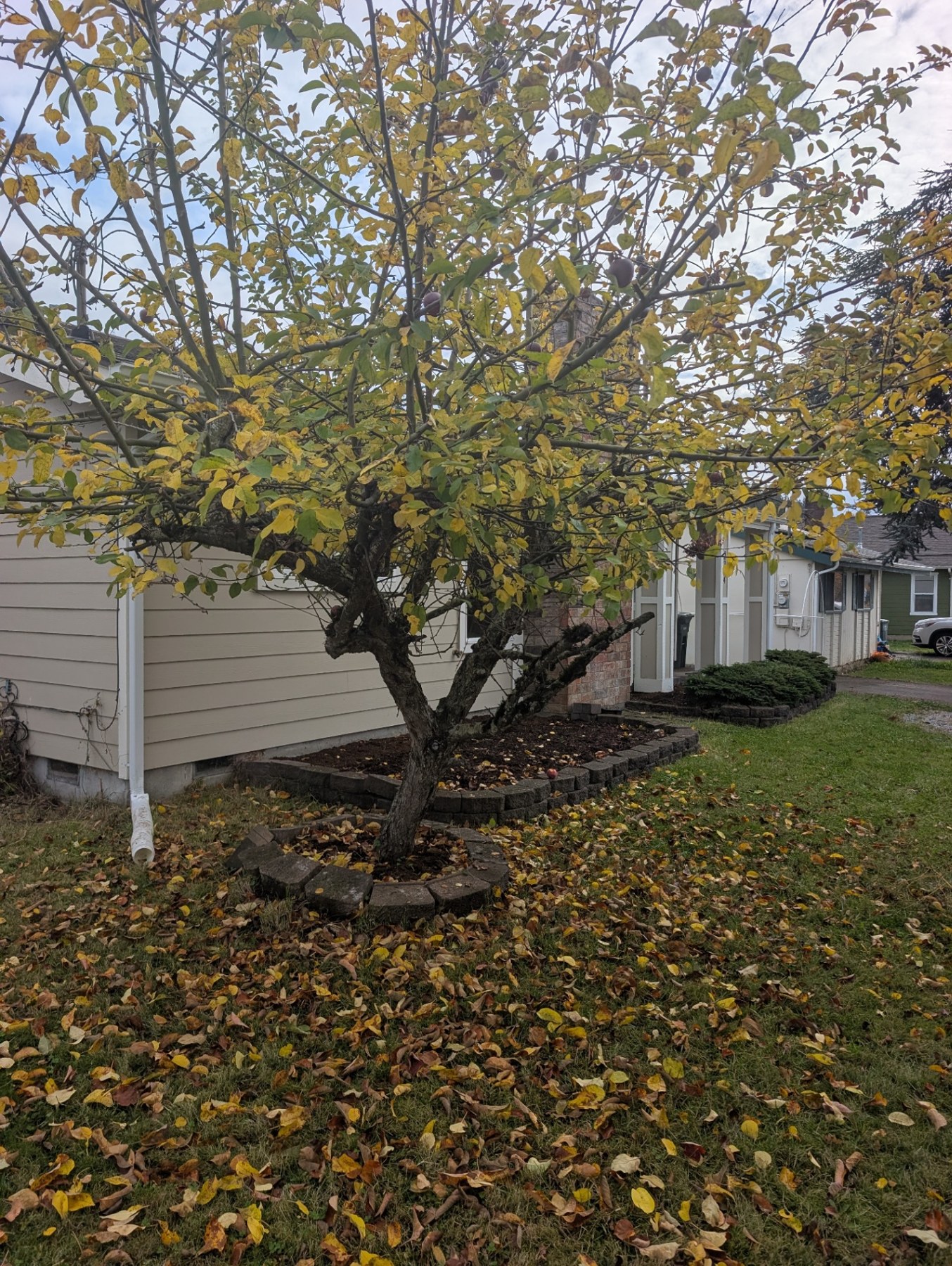
Greenbelts, creeks, fruit trees, compost, bird feeders and neighboring properties can keep supplying rodents. Many Bellingham neighborhoods back onto wooded areas.
The wrong pest was identified
Squirrels, rats and mice need different approaches. Treating for the wrong animal can leave the real problem in place.
Monitoring and follow-up fell short
Without checking traps, stations and activity on a schedule, it is hard to know whether a treatment actually worked. Stations that are not checked or refilled stop doing anything.
Food, shelter and access remain
Open garbage, pet food, fallen fruit and cluttered storage give rodents a reason to stay close.
For a closer look, read our guide to where bait stations fit into rodent control.
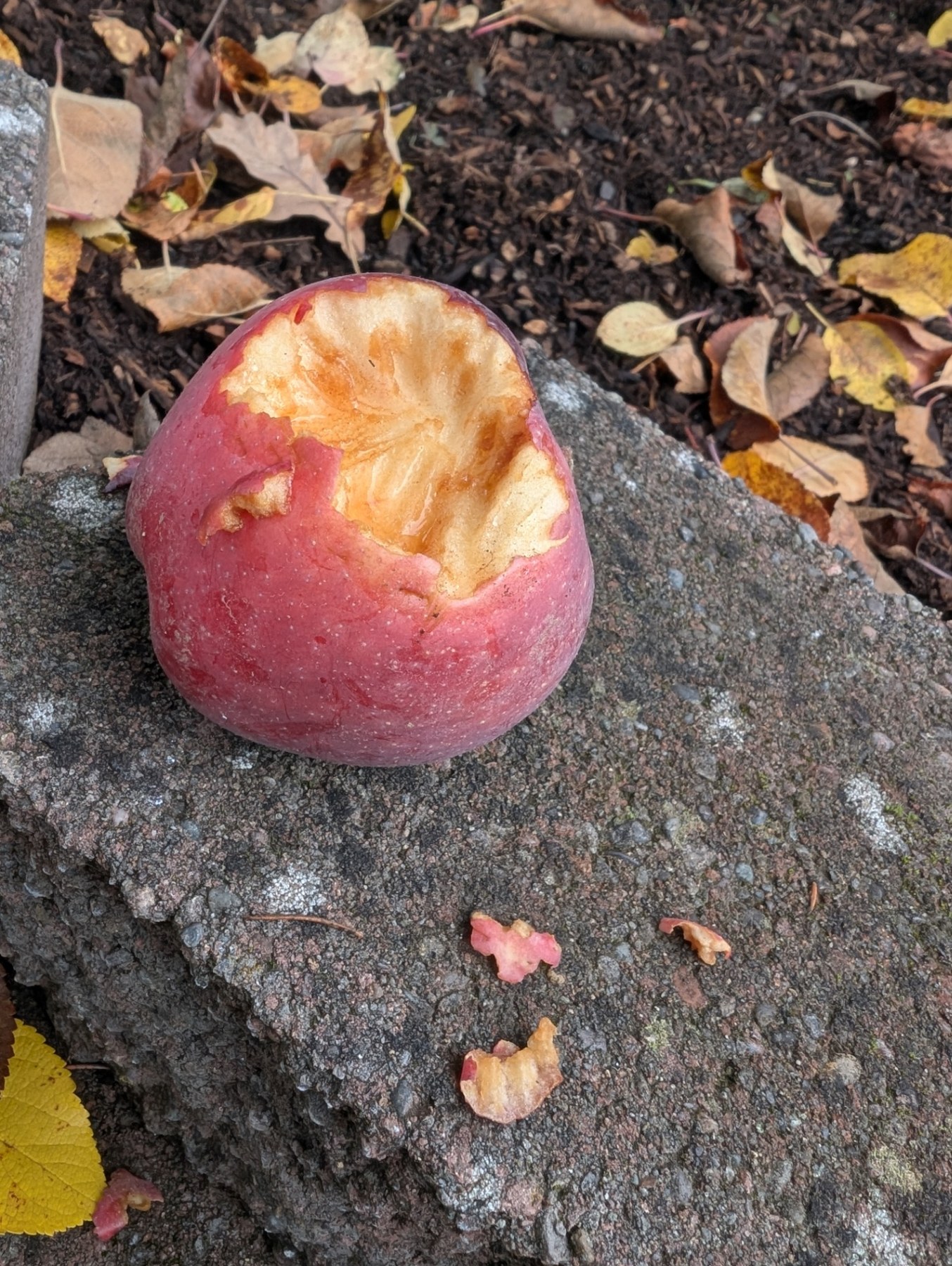
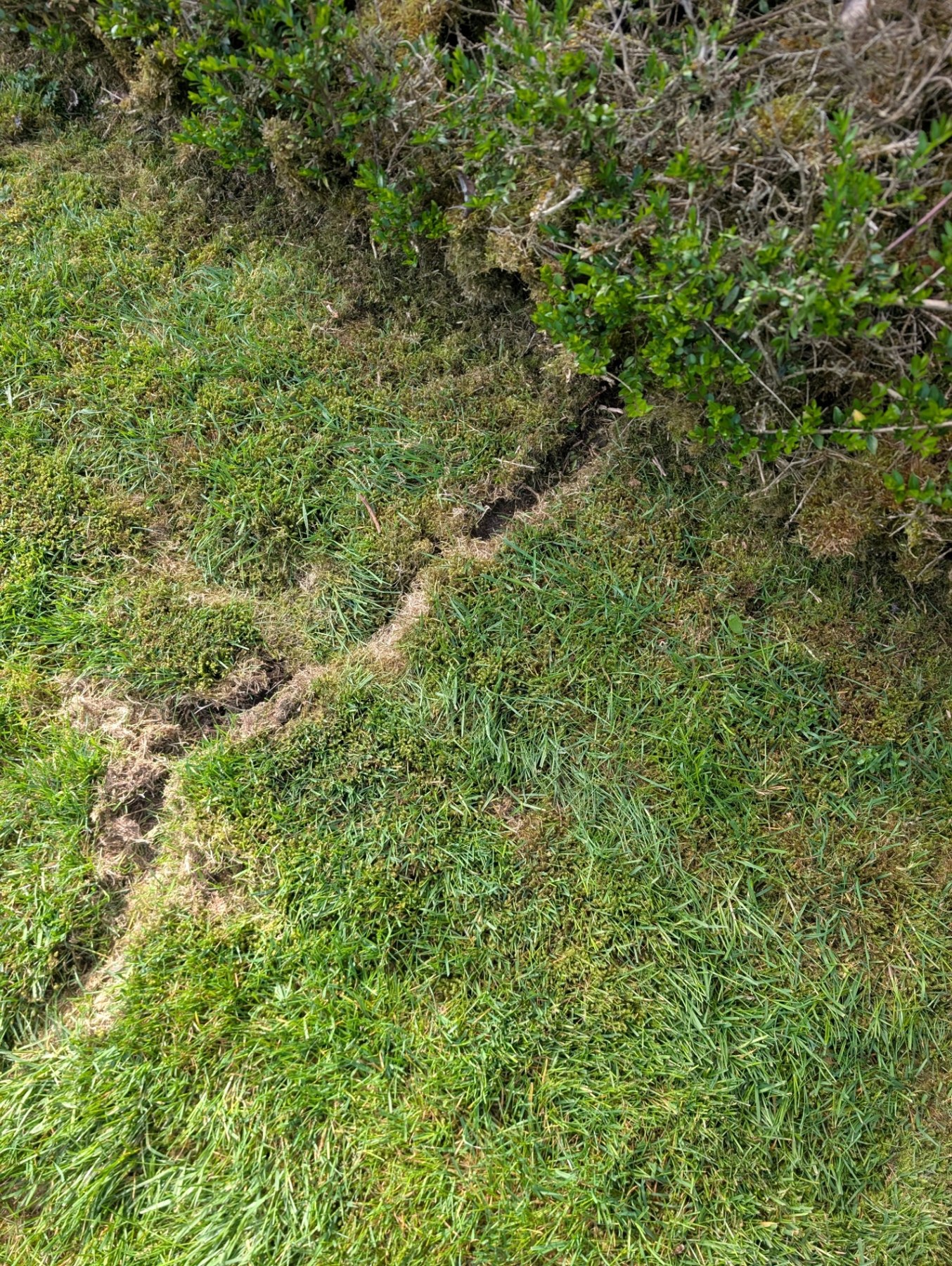
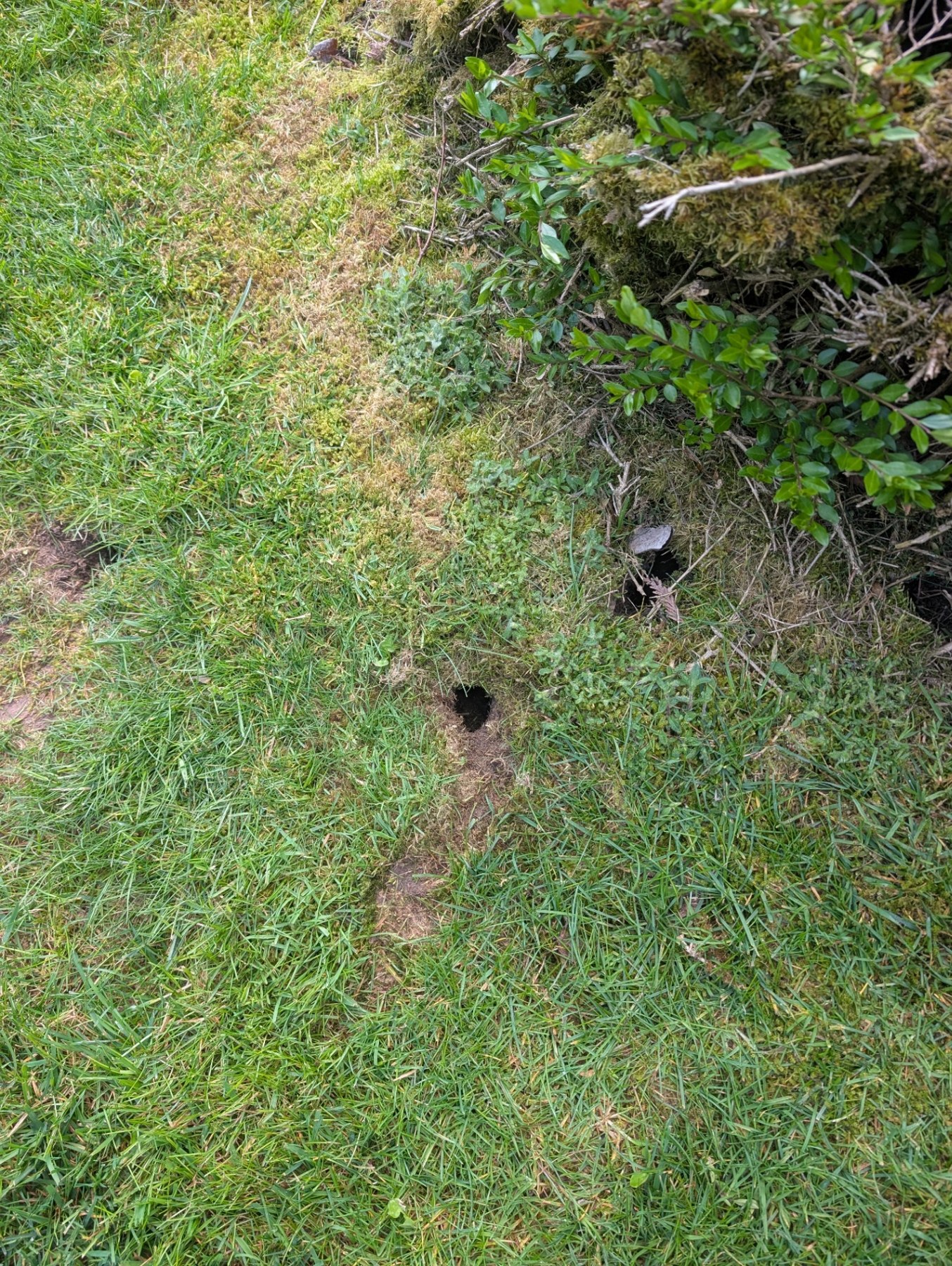
Grass runways and burrow openings
Repeated rodent travel can leave narrow worn trails through grass beside sheltered edges. Follow a runway to look for holes, fresh digging and access beneath nearby structures. Trails and holes are useful clues, but other animals can leave them too, so confirm the species with additional evidence.
Indoor food and clutter can keep rats interested
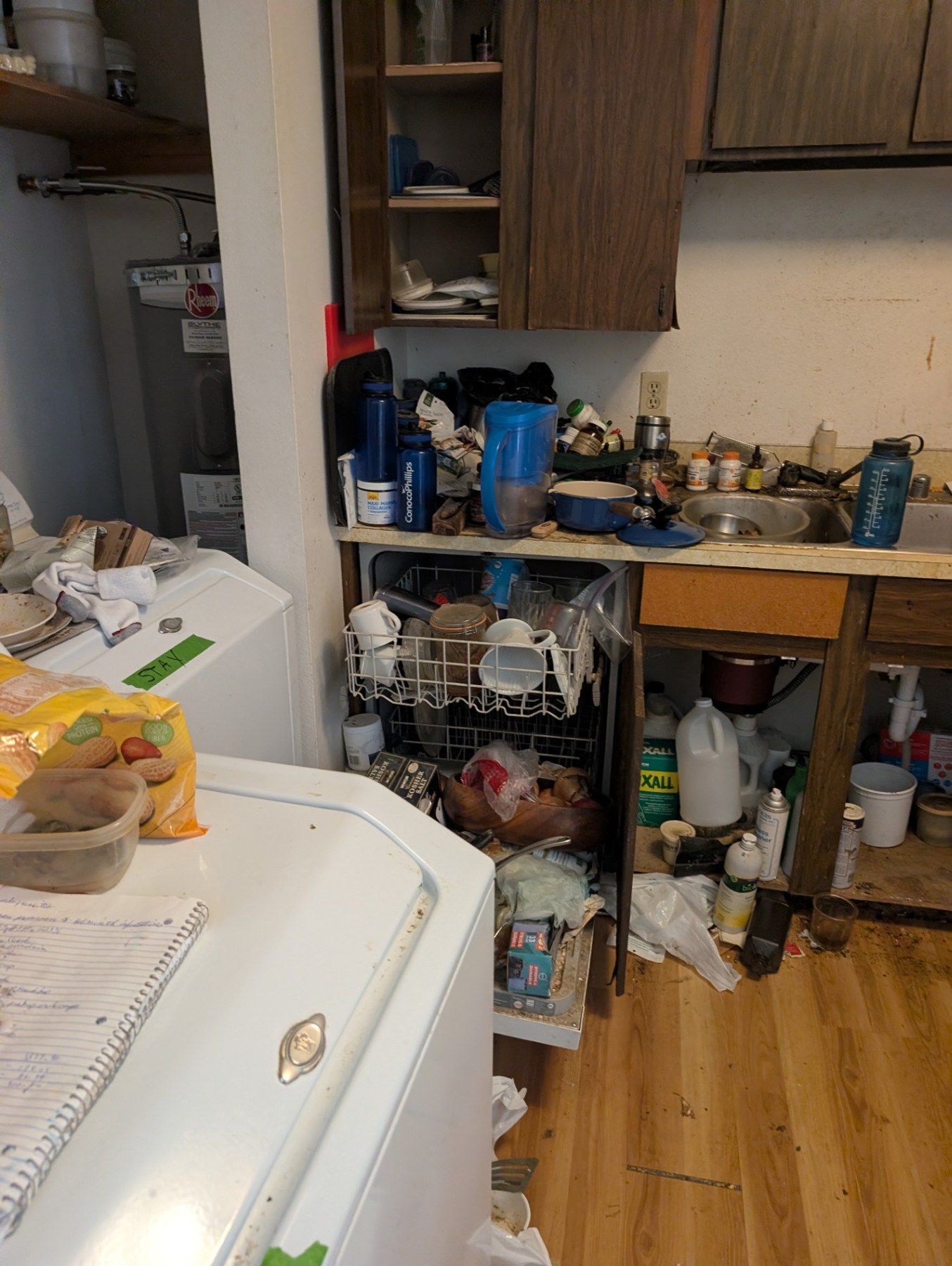
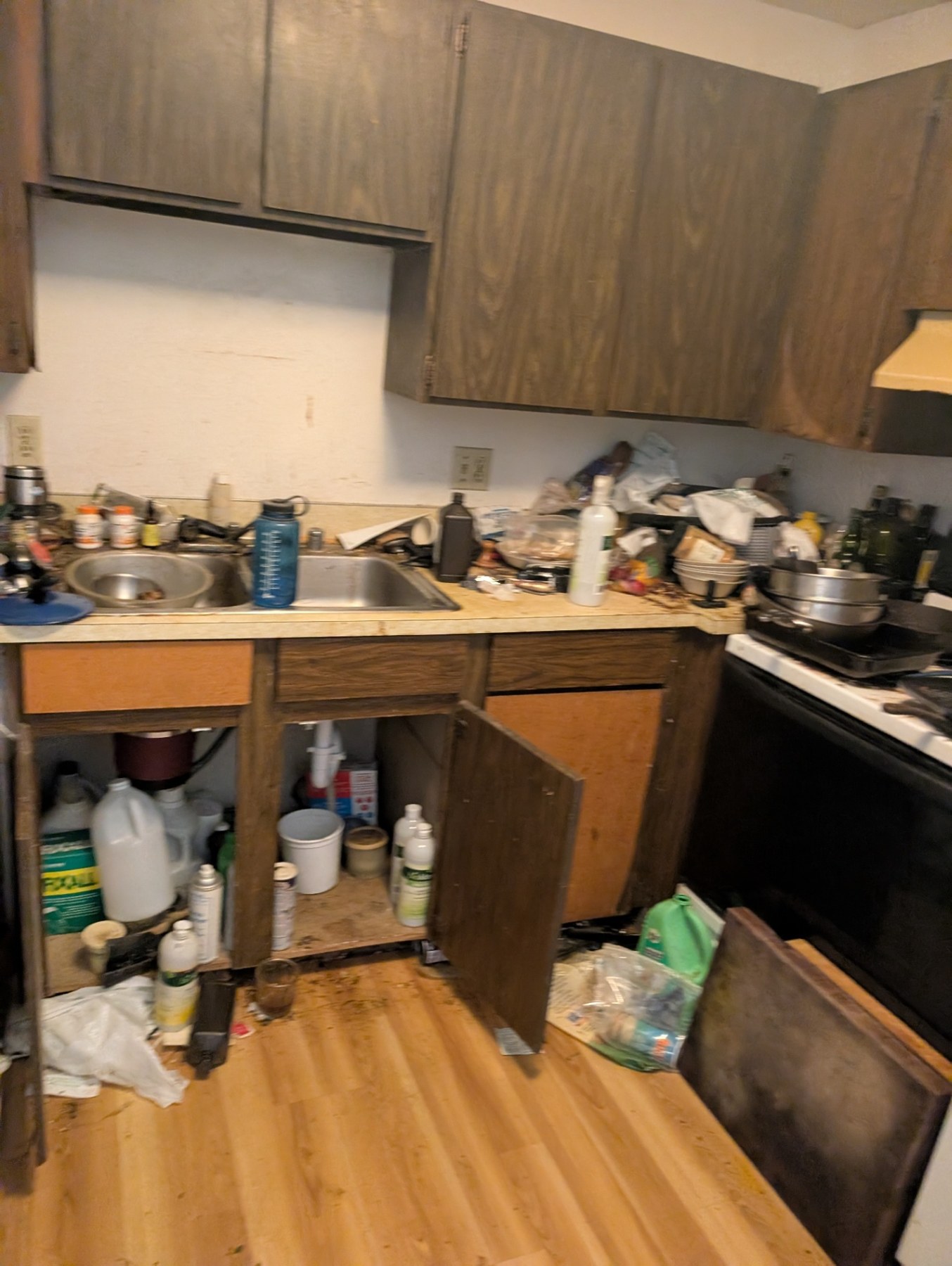
An abandoned apartment with food left out and cluttered storage can offer both food and shelter. Removing accessible food and clearing clutter supports treatment, but it does not replace checking entry points and removing active rodents.
Dense vegetation and concealed perimeter runways
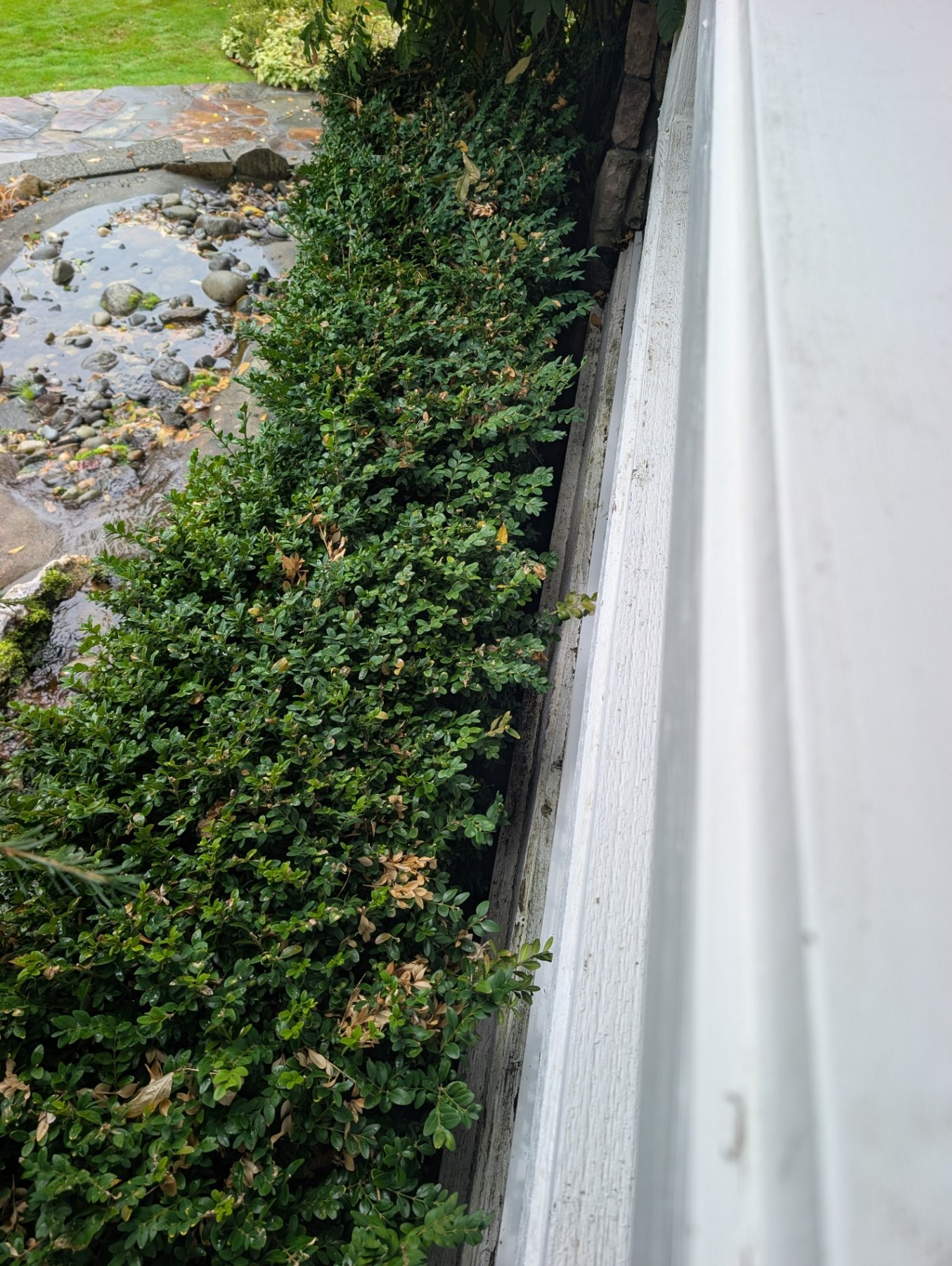
Thick vegetation against siding gives rodents cover as they travel along the house and can conceal foundation gaps or damaged vents. Keeping growth back makes inspection easier and removes some of that sheltered approach.
Reducing activity vs. fixing the cause
Baiting and trapping reduce how many rodents are present. Exclusion and cleanup change the conditions that let them in. Both matter. A plan that only reduces numbers tends to repeat itself, while a plan that also corrects the building gives you a much better chance of staying rodent-free.
No one can honestly promise rodents will never return. Buildings shift, materials age and new damage happens. Sealing entry points and following up greatly lowers the odds.
Why a comprehensive inspection matters
A real inspection looks at the outside of the building, the crawlspace and attic, and the yard. It identifies the animal, finds the active routes and notes conditions that need to change. That is what turns a cycle of treatments into a fix.
See it on a real job
Frequently asked questions
I already pay for pest control. Why do I still have rats?
Often the entry points were never sealed, or the service is not checking and refilling stations. Ask what has been inspected and what has been repaired.
Does sealing entry points guarantee rodents won't come back?
No one can promise that, but sealing the ways in and following up gives you the best odds of keeping them out.
How long should it take to see results?
Timing depends on the building, the level of activity and access to the rodents. Follow-up checks help show whether activity is falling and whether further trapping or repairs are needed.
Can you take over from another pest control company?
Yes. We start with our own inspection and build a plan from what we find. There is no long-term contract.
Related guides
View all pest & rodent guides →Finding signs of rats or mice?
G Green Inc. provides professional rodent inspections, removal and exclusion throughout Bellingham and Whatcom County. Call (360) 389-3599 to talk through the problem and schedule an inspection, or learn more about our rodent control service.