
Why Rat Bait Stations Alone May Not Solve a Rodent Problem
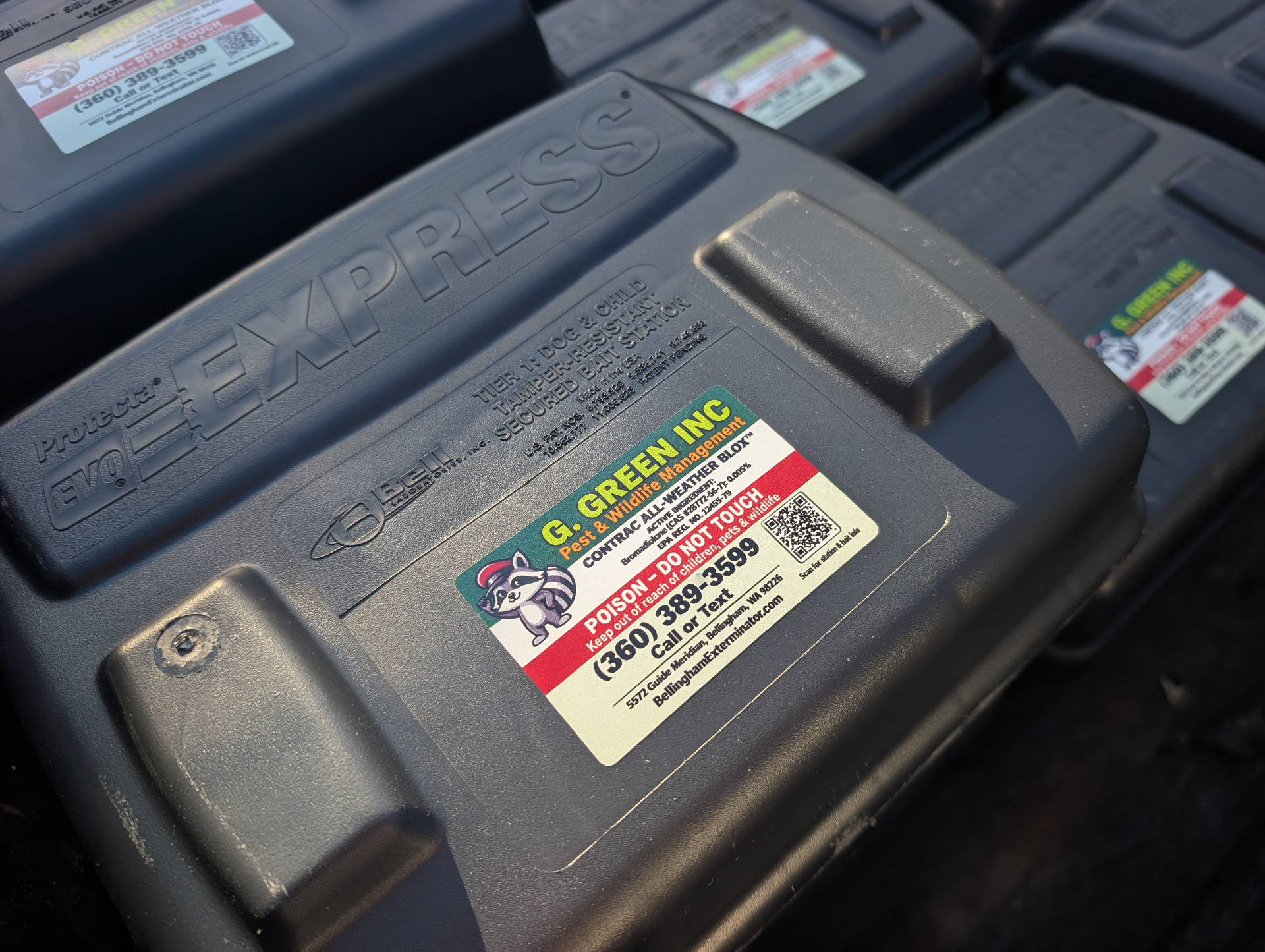
Exterior bait stations are a useful tool for reducing rodent pressure around a building, but they do not close the holes rats use to get inside. If rodents are already living in a crawlspace, wall or attic, bait stations outside may not reach them, and new rodents can keep finding the same openings.
That does not mean bait stations are a waste. It means they work best as one part of a plan built around the actual problem.
Need help now? See our rat and mouse control service. In Bellingham, explore ongoing rodent control.
What exterior bait stations are designed to do
A bait station is a locked, tamper-resistant box that holds rodenticide where rodents can reach it and pets, children and most other animals cannot. Placed along foundations and travel routes, stations reduce the number of rodents living around a property, which lowers the pressure on the building.
For many homes and businesses, a regularly serviced ring of stations is a reasonable part of ongoing rodent control.
Where bait stations fall short
They do not seal entry points
A station outside does nothing about a torn crawlspace vent or a gap around a pipe. As long as the opening is there, rodents can come and go.
Rodents inside may never visit them
Rats nesting in an attic or crawlspace may find food inside or nearby and have little reason to go to an exterior station.
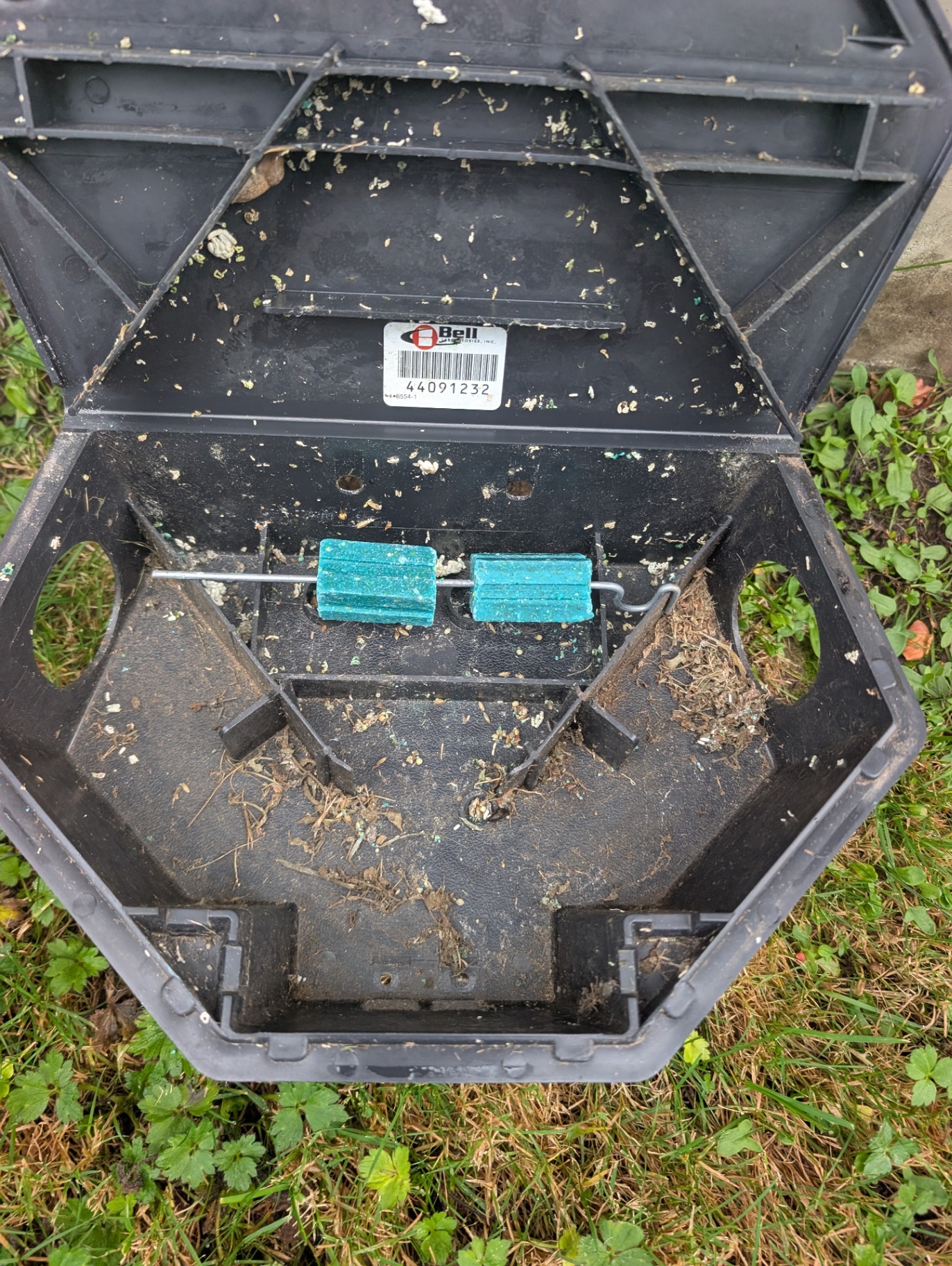
Stations only work if they are serviced
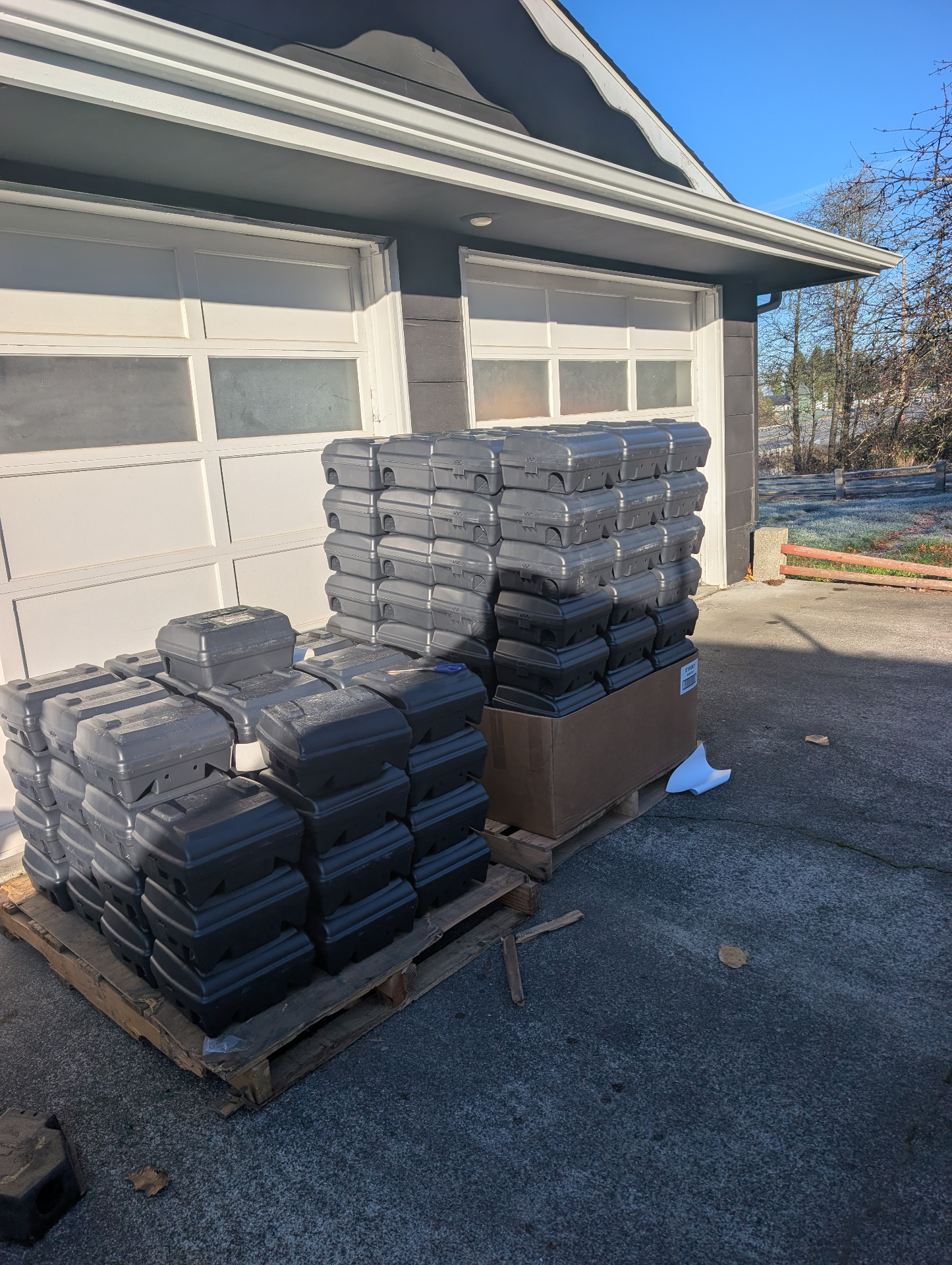
An empty or neglected station is just a box. We have walked onto a Bellingham property where two different companies had stations out and none of them had been checked or refilled, even though the owner was paying for service.
For a closer look, read our guide to why rodents keep returning after treatment.
When trapping makes more sense
Inside a structure, trapping is often the better choice. It removes rodents where they are active and avoids the chance of a poisoned rodent dying inside a wall or ceiling. Trapping also records catches and helps show whether activity is dropping.
When ordinary baiting is not keeping up, we have used additional monitoring and trapping methods, including motion-sensor equipment, to see what animals are moving through and where.
Identify the species and the extent of activity
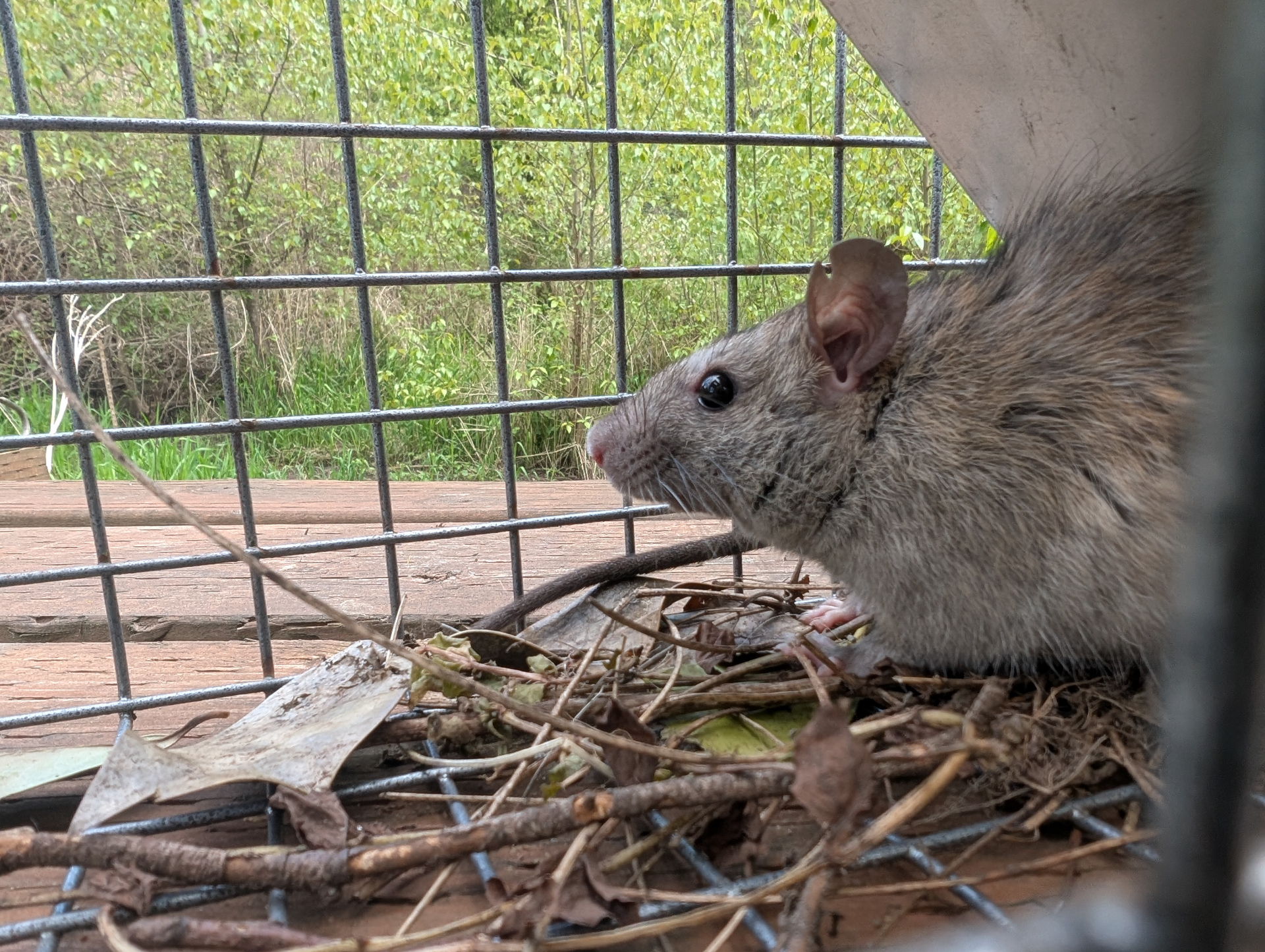
Rats and mice behave differently, and so do roof rats and Norway rats. Squirrels, raccoons and other wildlife can leave signs that look like rodent activity. Knowing what you are dealing with, and how widespread it is, decides where to trap, what to seal and whether bait has a role.
What a complete rodent program can include
The mix depends on the building and the problem. A program should be based on what is actually happening, not just on stations being placed on a recurring schedule.
- An inspection inside and out
- Exterior bait stations where they make sense
- Interior trapping for active rodents
- Monitoring to measure activity and results
- Exclusion to seal entry points
- Cleanup or referral for contaminated areas when needed
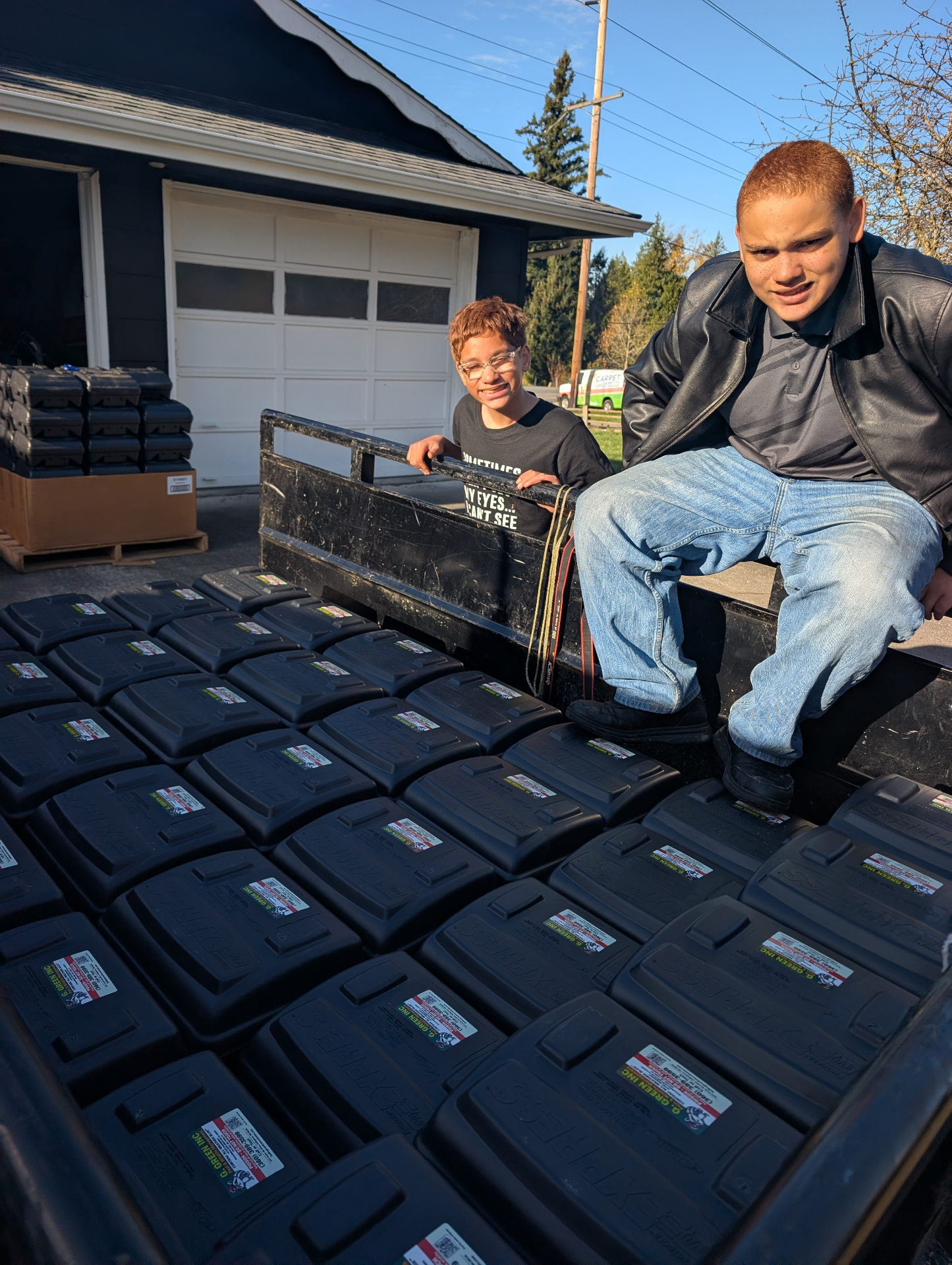
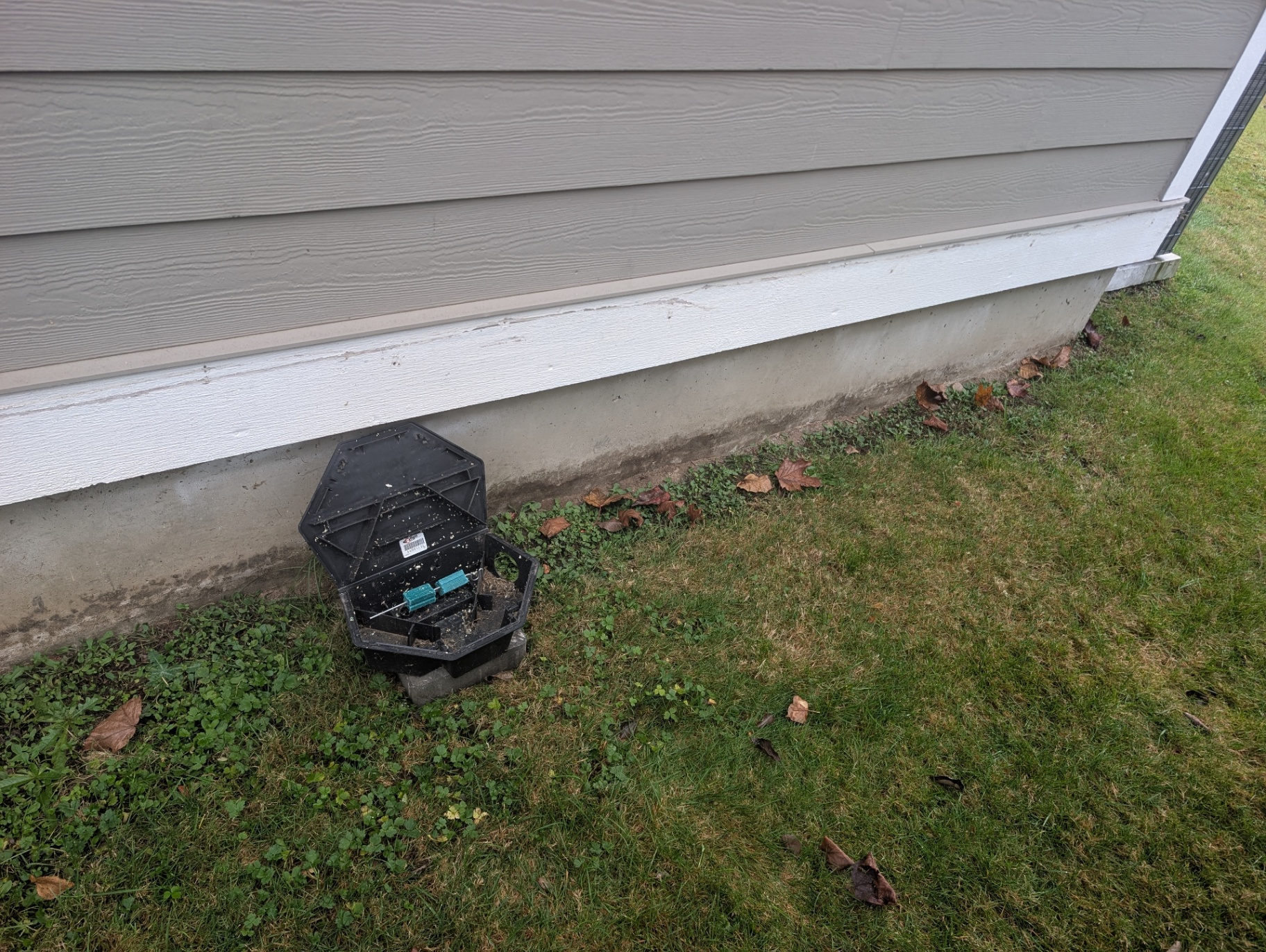
See it on a real job
Frequently asked questions
Are bait stations safe for pets?
Locked, tamper-resistant stations are designed to keep pets and children away from the bait. If you ever think a pet has eaten bait, call your vet right away.
How often should bait stations be checked?
On a regular schedule that fits the property and activity level. Every visit, stations should be opened, inspected, cleaned and refilled as needed.
Should bait be used inside my house?
In most homes we prefer trapping indoors. It removes rodents where they are and avoids odors from a rodent dying in a wall.
Do I need a long-term contract for bait station service?
Not with us. Our ongoing rodent service is month to month, and you can cancel any time you do not see a benefit.
Related guides
View all pest & rodent guides →Finding signs of rats or mice?
G Green Inc. provides professional rodent inspections, removal and exclusion throughout Bellingham and Whatcom County. Call (360) 389-3599 to talk through the problem and schedule an inspection, or learn more about our rodent control service.